Have you ever wondered why nutrition, recovery, and overall wellness are so closely connected? Much of the answer comes down to how the body manages oxidative stress and maintains balance at the cellular level.
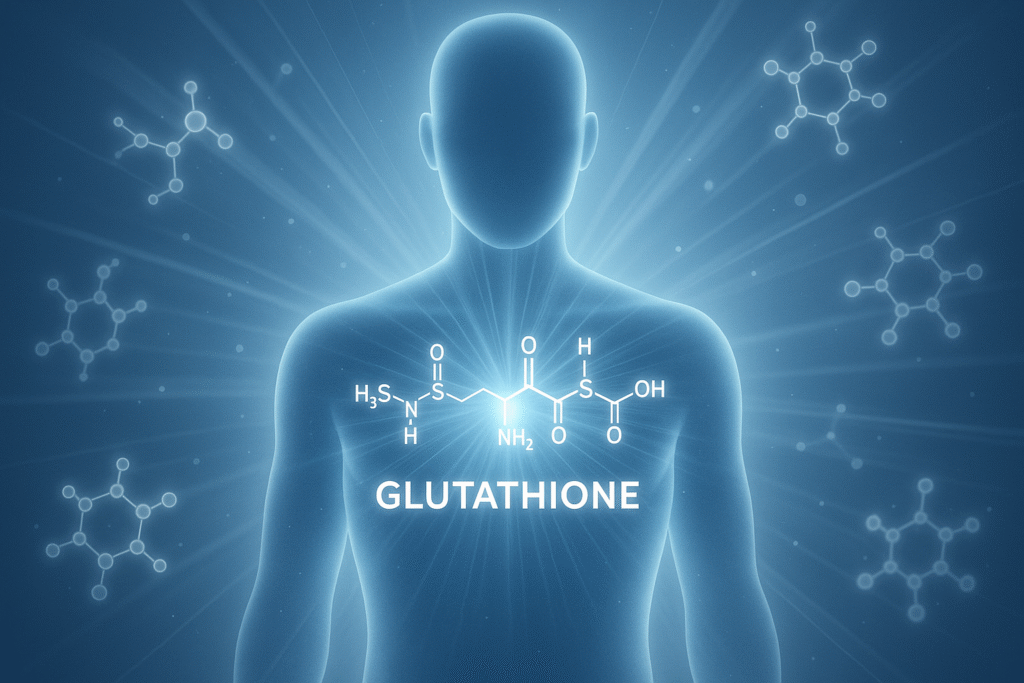
One molecule often discussed in this context is glutathione — a naturally occurring antioxidant found in nearly every cell of the body. While many people have never heard of it, glutathione plays a role in supporting normal cellular processes and overall wellness.
What Is Glutathione?
Glutathione is a small molecule made from three amino acids that the body produces on its own. It is commonly studied for its role in antioxidant activity and cellular balance.
Researchers continue to explore how glutathione participates in:
-
The body’s natural antioxidant systems
-
Normal cellular maintenance
-
Supporting overall physiological balance
Because glutathione is involved in many internal processes, it is often discussed in scientific literature related to general wellness and healthy aging.
Why Glutathione Is Studied in Wellness Research
Antioxidant Activity
Glutathione is involved in the body’s natural antioxidant defenses, helping cells manage oxidative stress that occurs as a normal part of metabolism and daily living.
Cellular Balance
Healthy cells rely on a balance between oxidative activity and antioxidant support. Glutathione plays a role in maintaining that balance, which is why it remains a focus of ongoing research.
Immune System Support
Adequate antioxidant levels are associated with supporting normal immune system function as part of overall health. For this reason, glutathione is frequently referenced in wellness discussions involving immune balance.
How the Body Maintains Glutathione Levels
The body does not absorb glutathione efficiently when it is consumed directly. Instead, it relies on amino acids from dietary protein to support its natural production.
Lifestyle factors that may influence glutathione levels include:
-
Normal aging
-
Diet quality
-
Physical stress
-
Environmental exposure
Because of this, researchers have explored nutritional strategies that provide the building blocks the body uses to maintain its own glutathione production.
Nutritional Research and Whey Protein
One area of study has focused on specific whey protein fractions that contain amino acids involved in glutathione synthesis. These proteins are not glutathione themselves but provide nutrients the body uses as part of its normal processes.
Immunocal is a whey protein–based dietary supplement that has been studied in the context of antioxidant-related nutrition. It is produced using a patented manufacturing process designed to preserve certain protein components found in whey.
Research in this area examines how dietary protein supports normal antioxidant systems and overall wellness — not as a treatment or cure, but as part of a balanced nutrition plan.
Important Perspective
It’s important to understand:
-
Dietary supplements are not intended to diagnose, treat, cure, or prevent disease
-
Individual experiences vary
-
No supplement replaces a healthy diet, rest, and medical care
Glutathione research continues to evolve, and nutritional strategies should always be evaluated in the context of overall lifestyle and professional guidance.
The Bottom Line
Glutathione is a naturally occurring molecule that plays a role in the body’s antioxidant systems and cellular balance. Because of its importance in normal physiology, it remains an area of ongoing scientific interest.
Nutritional approaches that support the body’s natural processes — including adequate protein intake — are commonly discussed as part of general wellness strategies.
Anyone considering dietary supplements should review product information carefully and consult qualified professionals when making decisions related to nutrition and health.